
History

History and Heritage

From a seat of the Salawati Kingdom to the traces of World War II on the Samate coast.

Origins

Seat of the Salawati Kingdom

Samate holds an important place in the history of Raja Ampat. The village is known as the seat of government of the Salawati Kingdom in the northern part of Salawati Island. As a royal centre, Samate was a meeting point for governance, trade, and the customary life of its coastal community.

The legacy of that role still lives in the social order of the people: kinship ties, the role of elders, and an attachment to the sea as both a livelihood and a marker of identity.
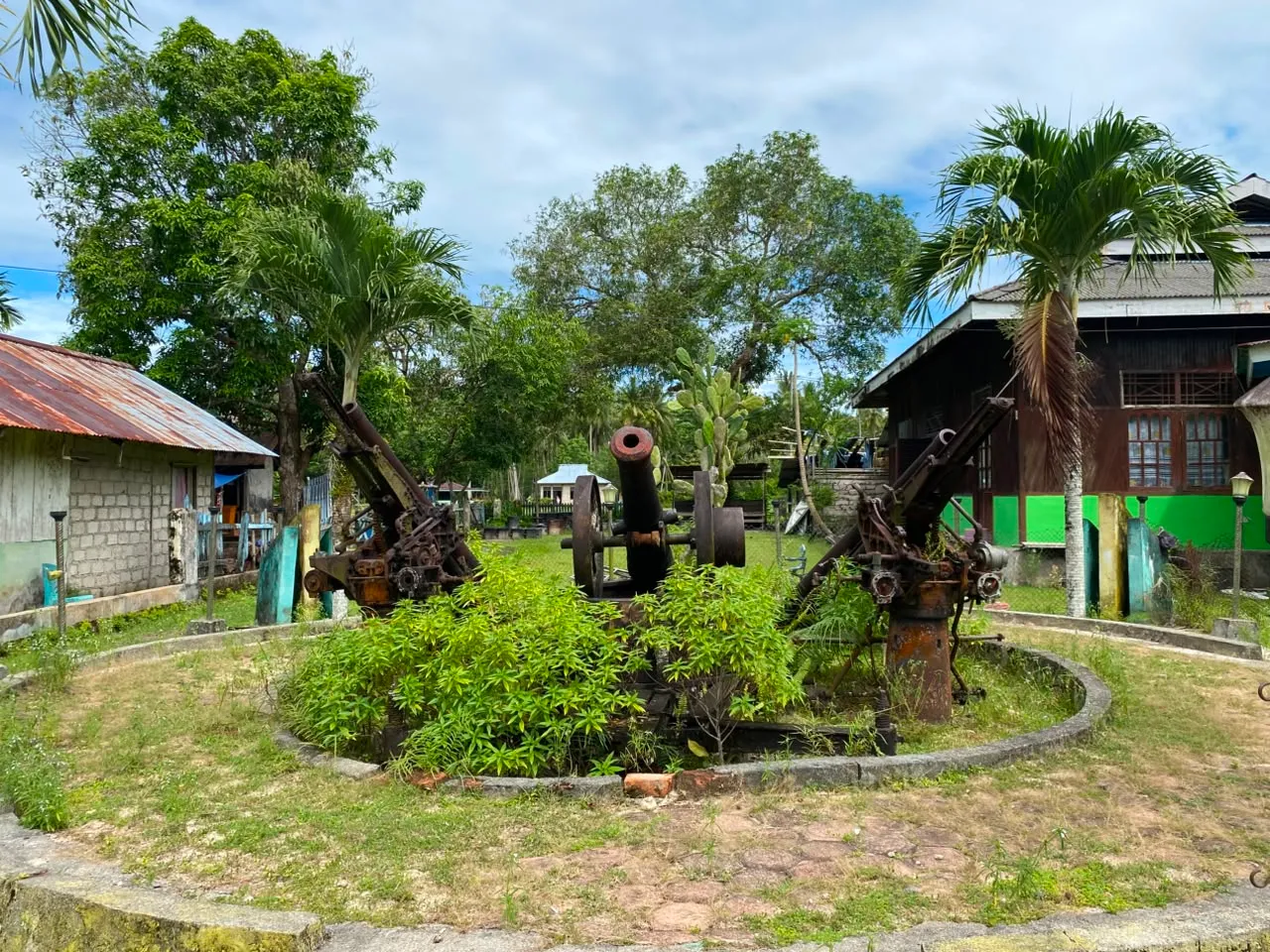
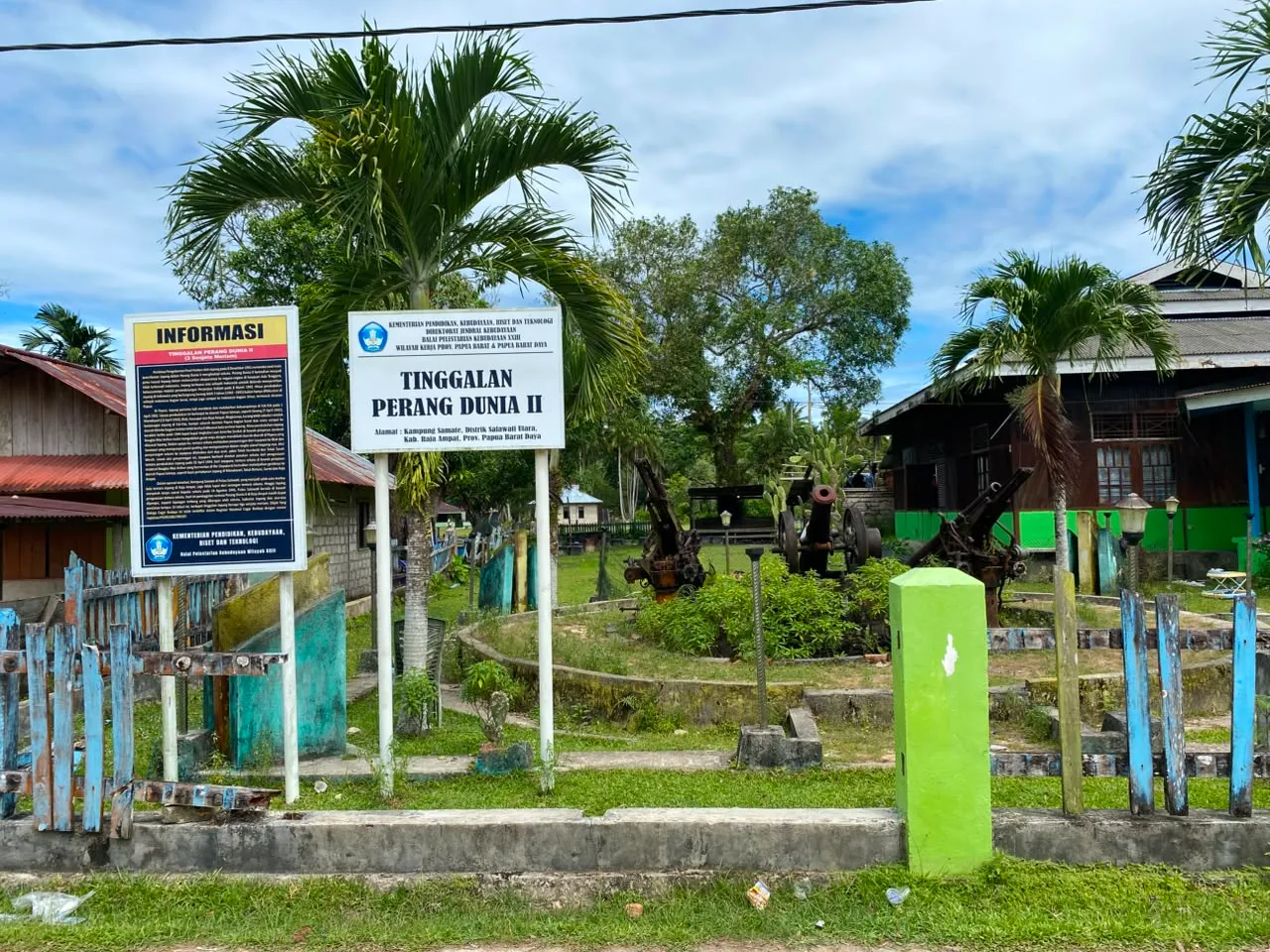
World War II

Traces of the Japanese occupation

The shores and waters of Samate hold relics from the years of World War II.

Japanese hideout caves

Around the village are caves that were used by Japanese troops as hideouts during the war. They stand as silent witnesses to events that once passed through this region.

Shipwrecks on the seabed

On the seabed off Samate lie shipwrecks left from World War II. Together with the caves on land, these relics form part of the village’s historical landscape and deserve protection.

Caring for these relics calls for care. Any exploration is best done together with residents, respecting both the historical value and the surrounding environment.

World War II relic in Samate Village (1)World War II relic in Samate Village (2)